
Wallpaper is Here to Stay
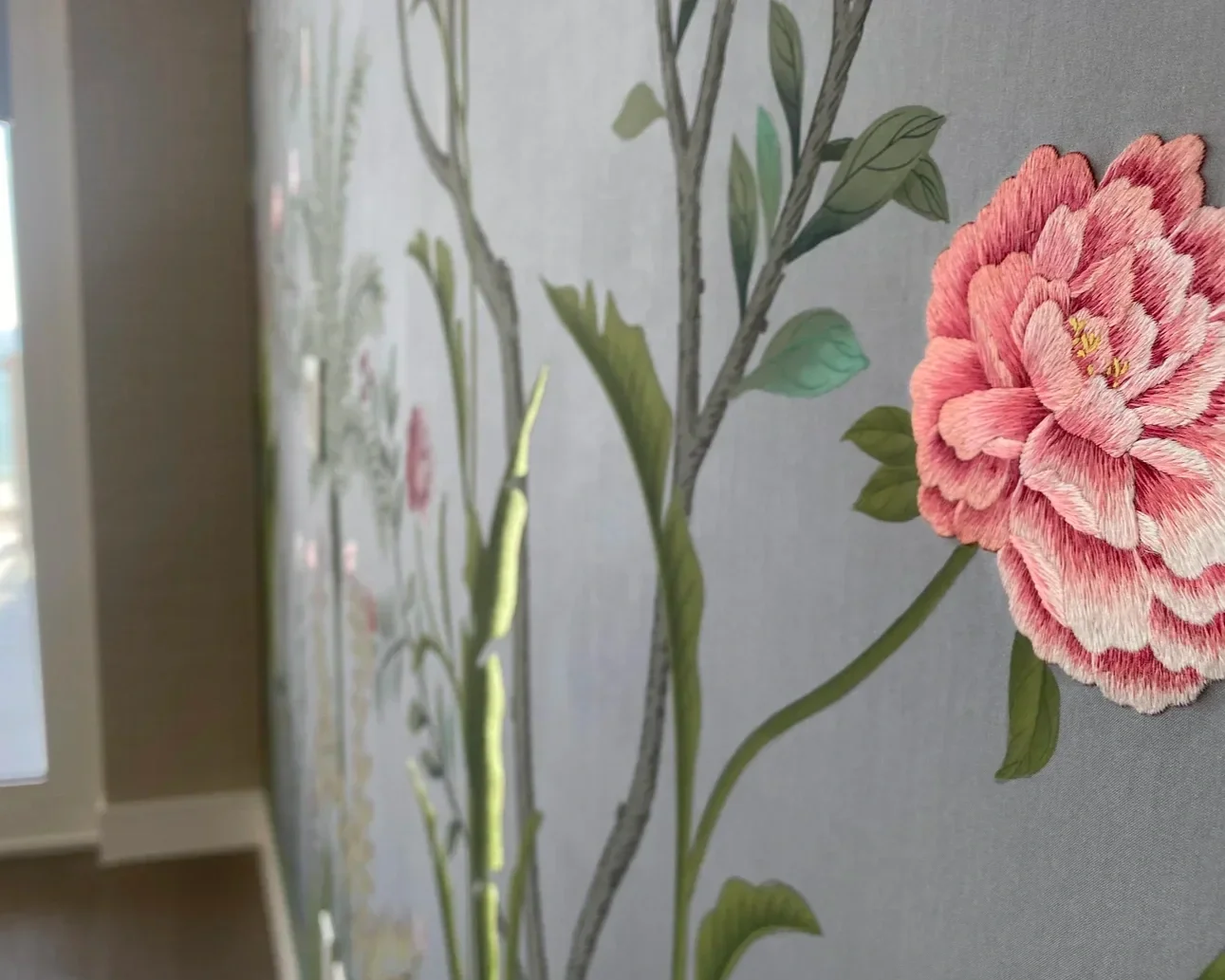
For many, the word wallpaper still brings to mind bold florals, busy patterns, and rooms frozen in a particular moment in time.
Today's wallpaper tells a very different story. Often misunderstood because most people still picture a version of it that no longer exists, the bold florals, repetitive borders, and heavily themed rooms that shaped wallpaper's reputation have largely given way to something entirely different. Modern wallcoverings are more refined, more textural, and more dynamic than ever before.
What was once viewed primarily as a trend in decoration has become a design material in its own right, and one capable of shaping a space in its entirety. Unlike many design trends, that shift feels less like a moment and more like a lasting evolution.
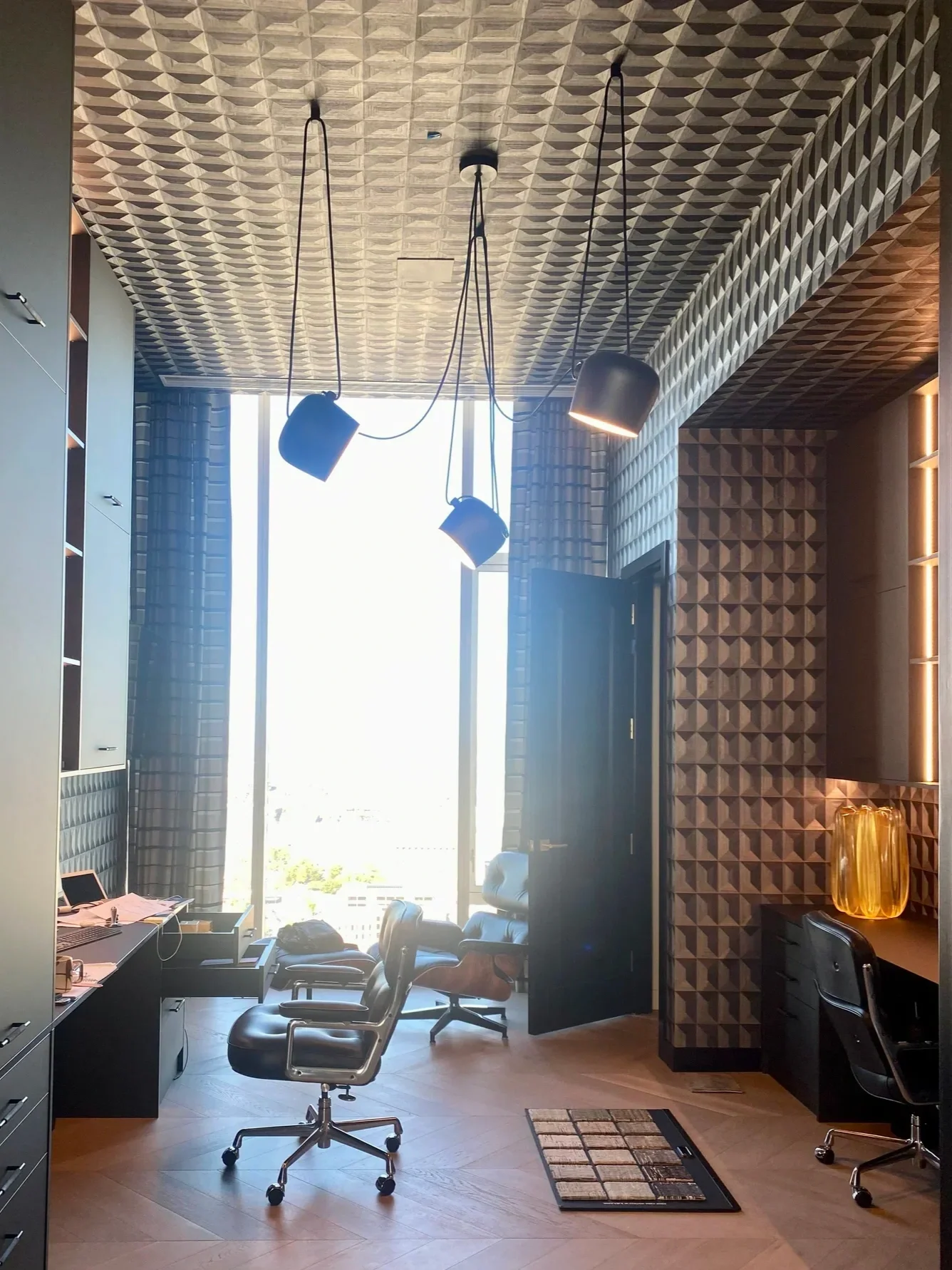
Wallpaper is no longer being used simply as pattern — it's being used as atmosphere.
Bold or restrained, traditional or contemporary, textured or patterned, wallpaper can easily adapt to a wide range of interiors rather than remain confined to a particular style or era. Perhaps its versatility points to its enduring nature.
Wallpaper's continued reinvention is most evident in the materials and patterns designers tend to gravitate toward. In contemporary culture, a natural shift away from the heavily themed wallpaper that used to be prominent has led to embracing materials that feel more architectural and refined. Grasscloth, natural fibers, subtle metallics, and large-scale organic patterns continue to gain popularity because they introduce material richness without demanding constant attention.
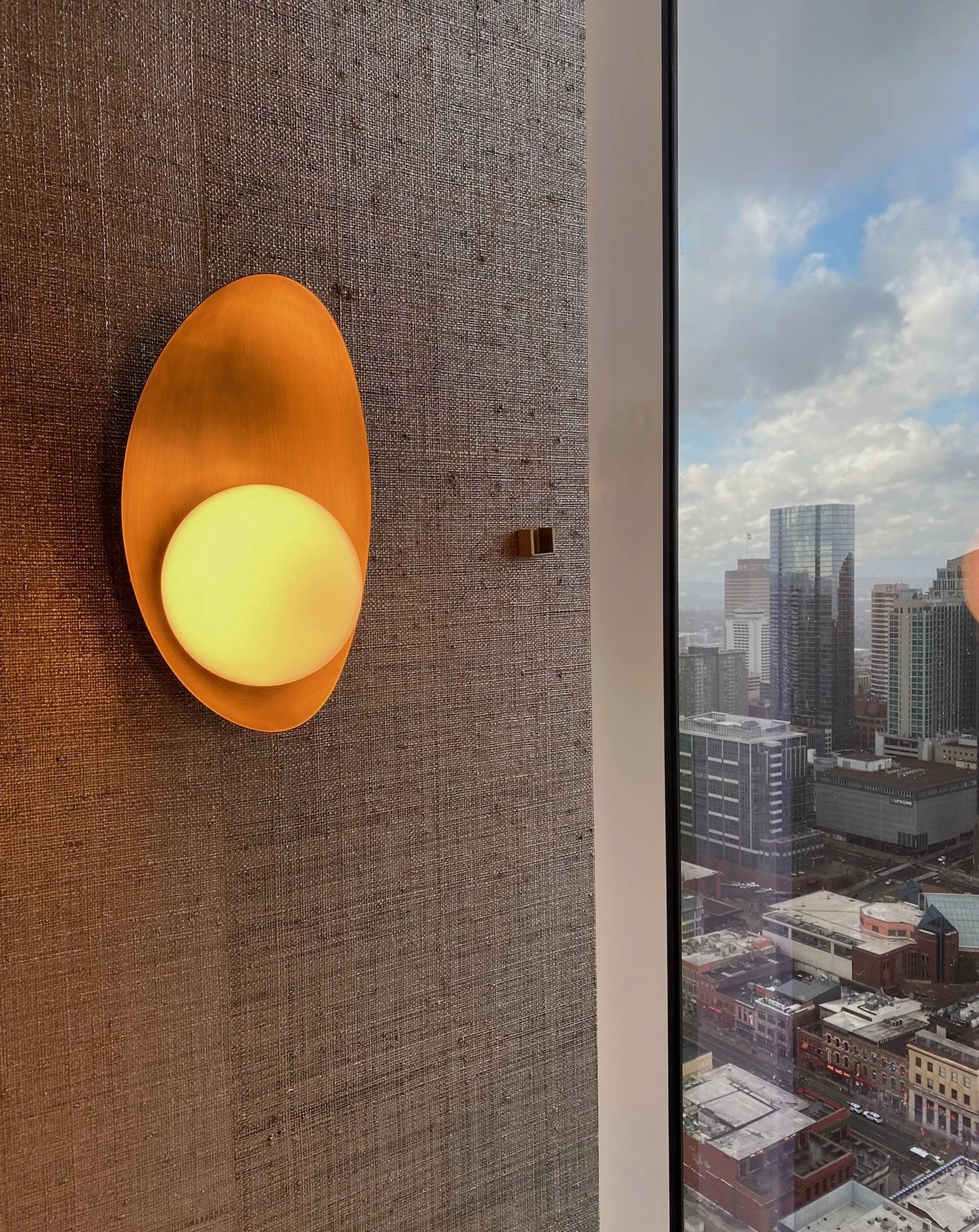
It doesn’t have to be dated, it doesn’t have to be feminine, it doesn’t have to be overly obvious. Wallpaper has an understated power to tailor to different homes, different aesthetics, and different ways of living while continuing to bring personality and atmosphere to the spaces it inhabits.
While the classic use of traditional wallpaper remains a popular standard, a growing interest in its artistry brings forth unique visual subjects and even full-scale wall murals. Details like picture frame moulding defining a wall space, embedded with a personal choice of wallpaper suddenly turns the background of a home into a curated milieu.
The styles, materials, and applications may continue to change, but the desire for spaces with depth, texture, and character remains remarkably consistent.
Our Perspective
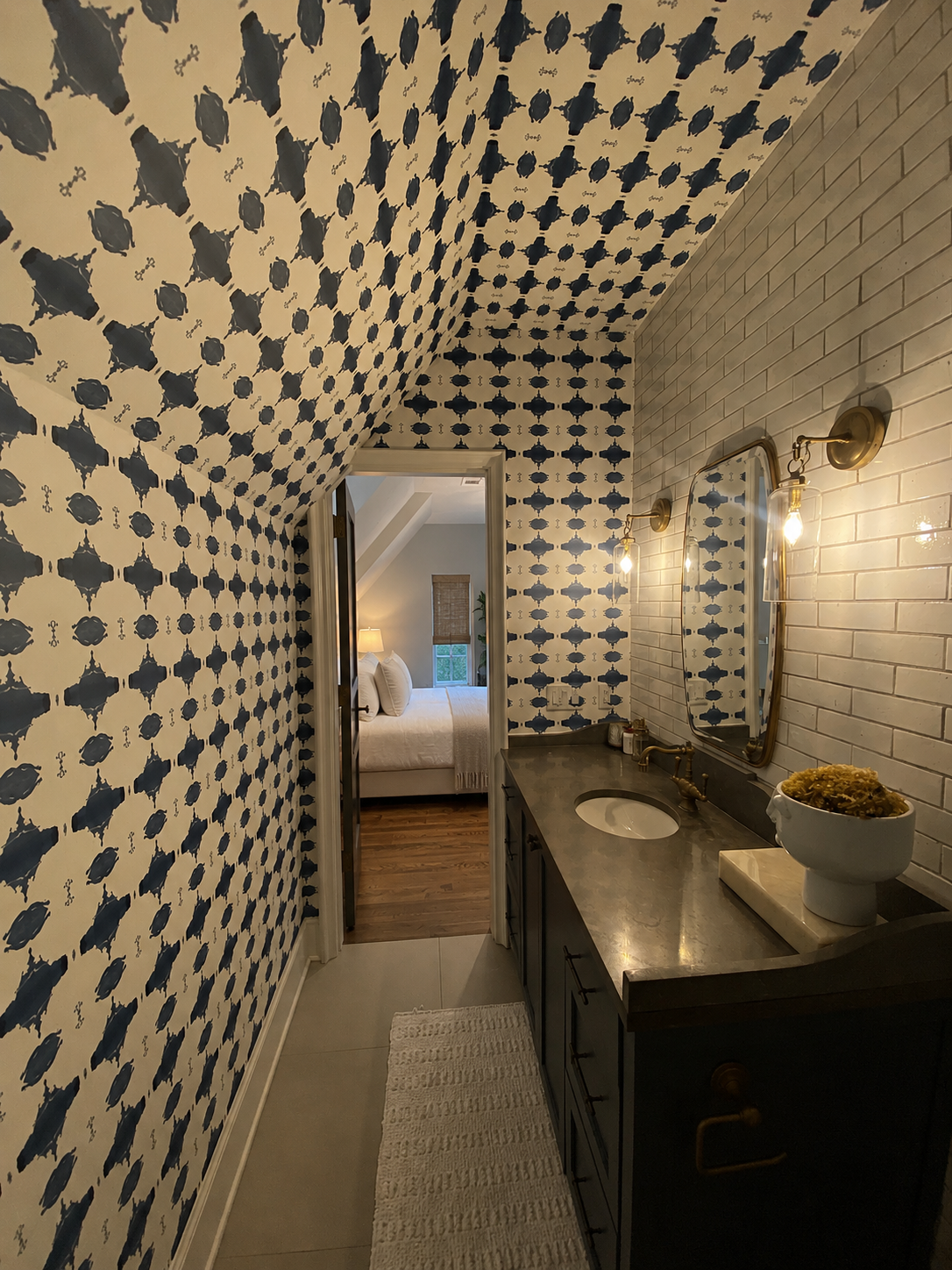
We're hard-pressed to think of a recent project that didn't include wallpaper in some form. From playful children's bedrooms to sophisticated dining rooms and luxury living spaces, wallcoverings continue to appear in nearly every style, in nearly every home.
In some, wallpaper becomes a defining design element carried throughout multiple rooms. In others, a single accent wall provides just enough texture, pattern, or personality to transform the space. The scale may vary, but the goal is often the same: creating a home that feels more layered, personal, and complete.
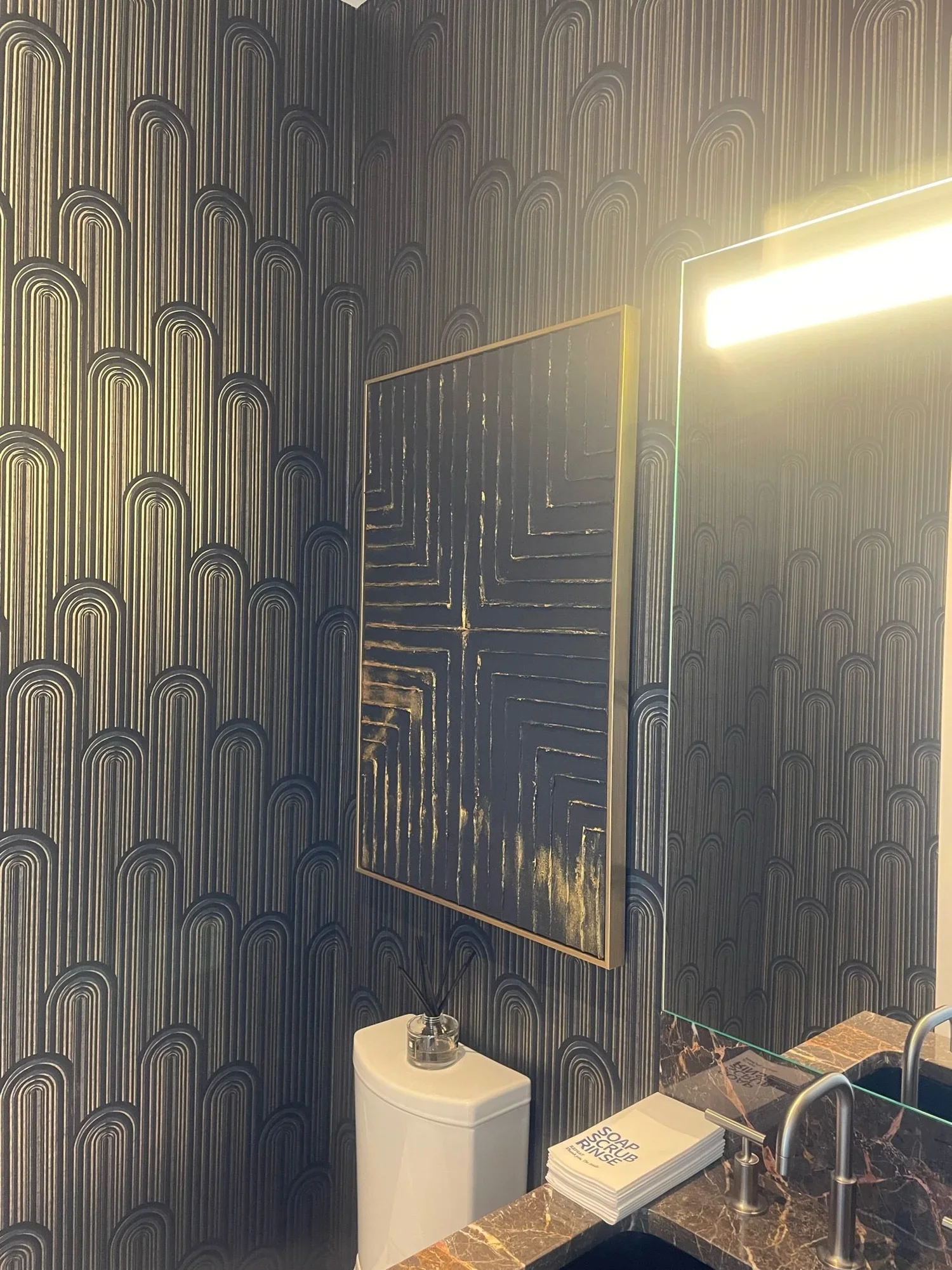
Wallpaper never really disappeared—it simply evolved.
Perhaps that's what makes wallpaper such a lasting element. There isn't a single way to use it successfully. Whether bold or understated, expansive or highly selective, today's wallcoverings offer opportunities to introduce character in a way that feels uniquely suited to the people living there.
As long as people continue seeking homes that feel layered, intentional, and uniquely their own, wallpaper will continue to have a place within them.
That's exactly why it's here to stay.